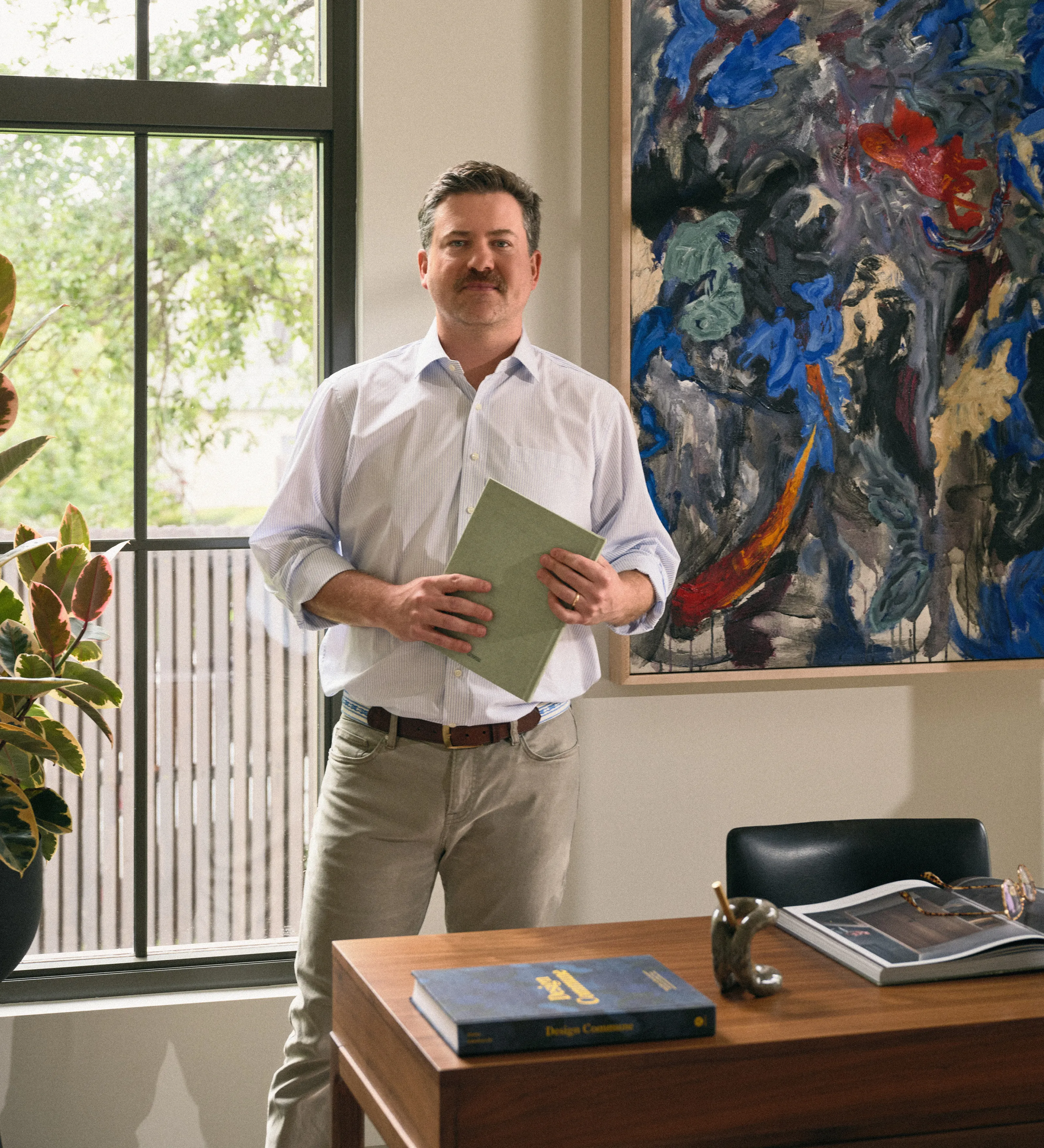
A native of Columbus, Georgia, John graduated from the University of Georgia with an A.B. in Political Science, before earning his law degree from the Mercer University School of Law. He began his career as an attorney and later served as a senior government advisor - experiences that shaped a disciplined, analytical approach that continues to inform his work today.
While always maintaining a general appreciation for art, John began collecting in earnest after law school. Over time, and through considerable trial and refinement, this developed into a focused engagement with postwar abstraction. Initially drawn to the strength of composition, the dynamic colors employed, and material presence in postwar painting, his interest deepened through a scholarly focus on and appreciation for the period's unique place within the broader art historical canon.
John's curatorial vision stresses quality, authenticity, scholarship, and long-term significance. He believes the art market functions best when grounded in transparency and real data - principles that inform his approach to valuations and acquisitions.
John lives in Austin with his wife Leigh, their three children, and two aggressively extroverted dogs. While they are proof that kids and fine art can coexist under the same roof, it's worth noting that John's headstone may very well one day read "no balls in the house!"
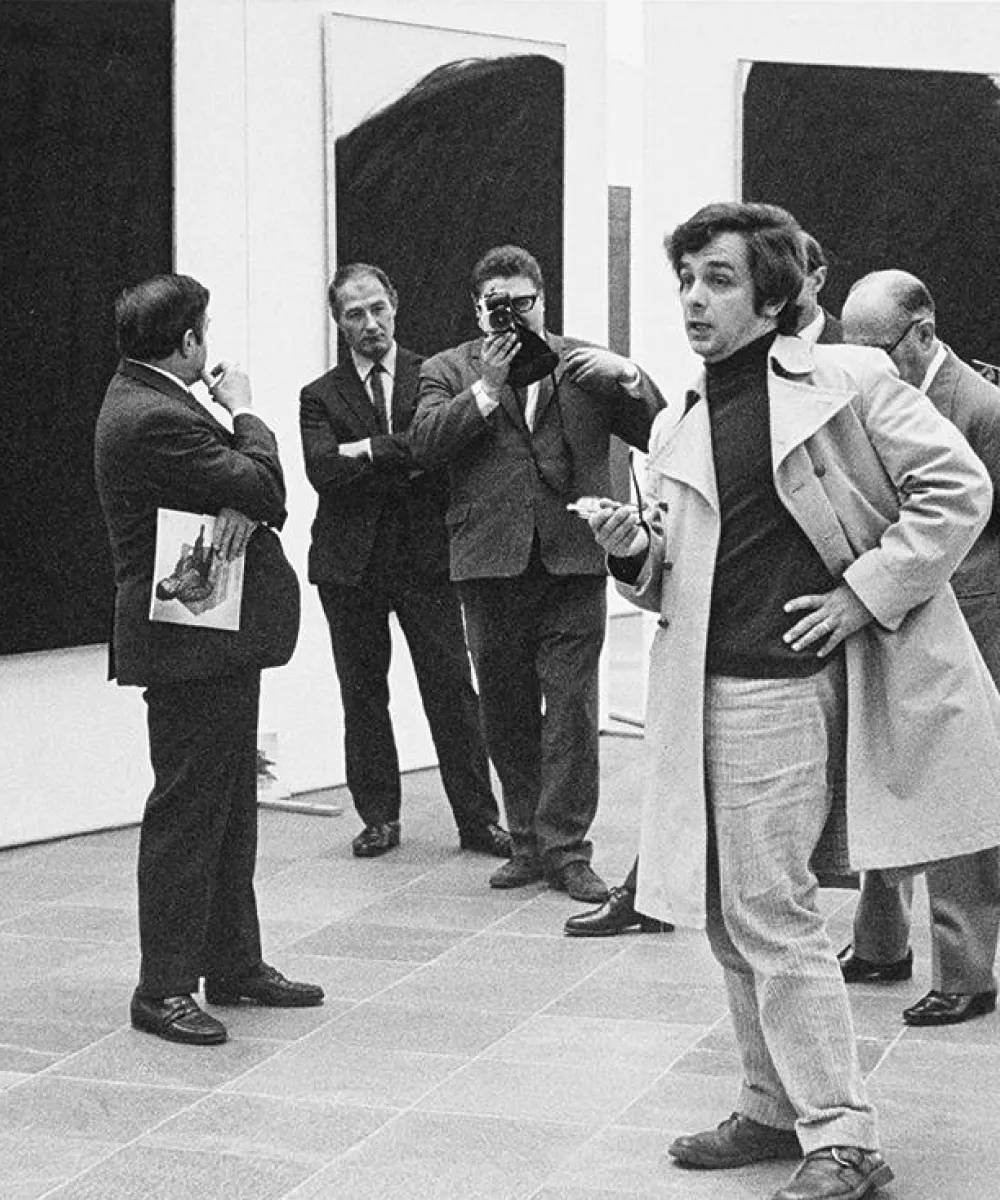
We curate exceptional, historical art.
Waterline focuses on the pivotal postwar decades of 20th century art, when artists redefined gesture, scale, surface, and color. Grounded in connoisseurship, we work with collectors and advisors to place historically significant works that feel timeless, while reflecting the broader cultural and intellectual currents of the era.



The case for postwar painting.
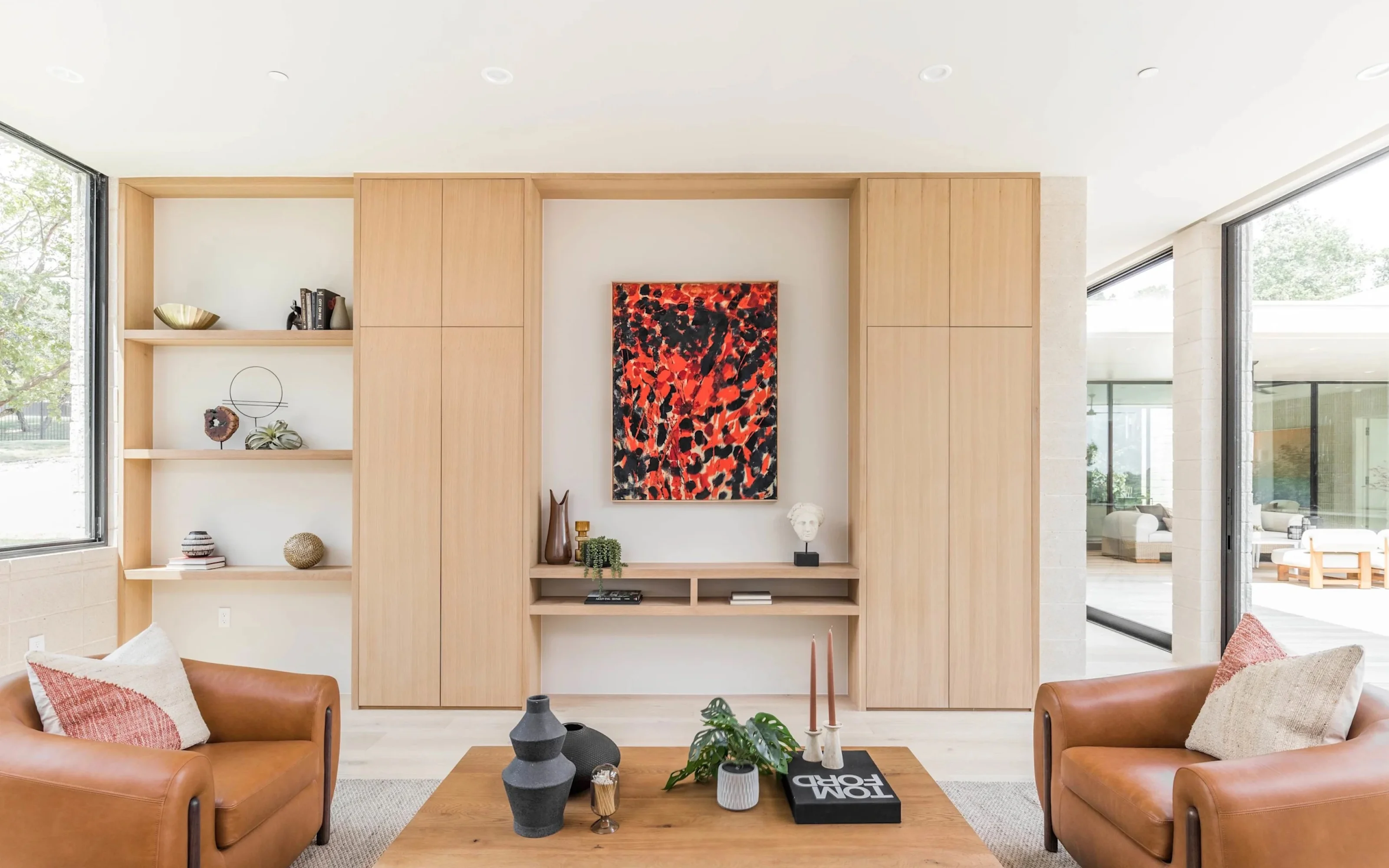
Postwar painting holds a rare place in modern art history: intellectually serious, visually immediate, and unusually well suited to contemporary life. It combines historical depth with a physical presence that still feels current.
Grown alongside mid-century design, the period speaks the same language. As interiors shifted toward clarity, openness, and materials, painters were testing how color, form, and surface alone could hold meaning—making the works and the spaces they inhabit feel naturally aligned.
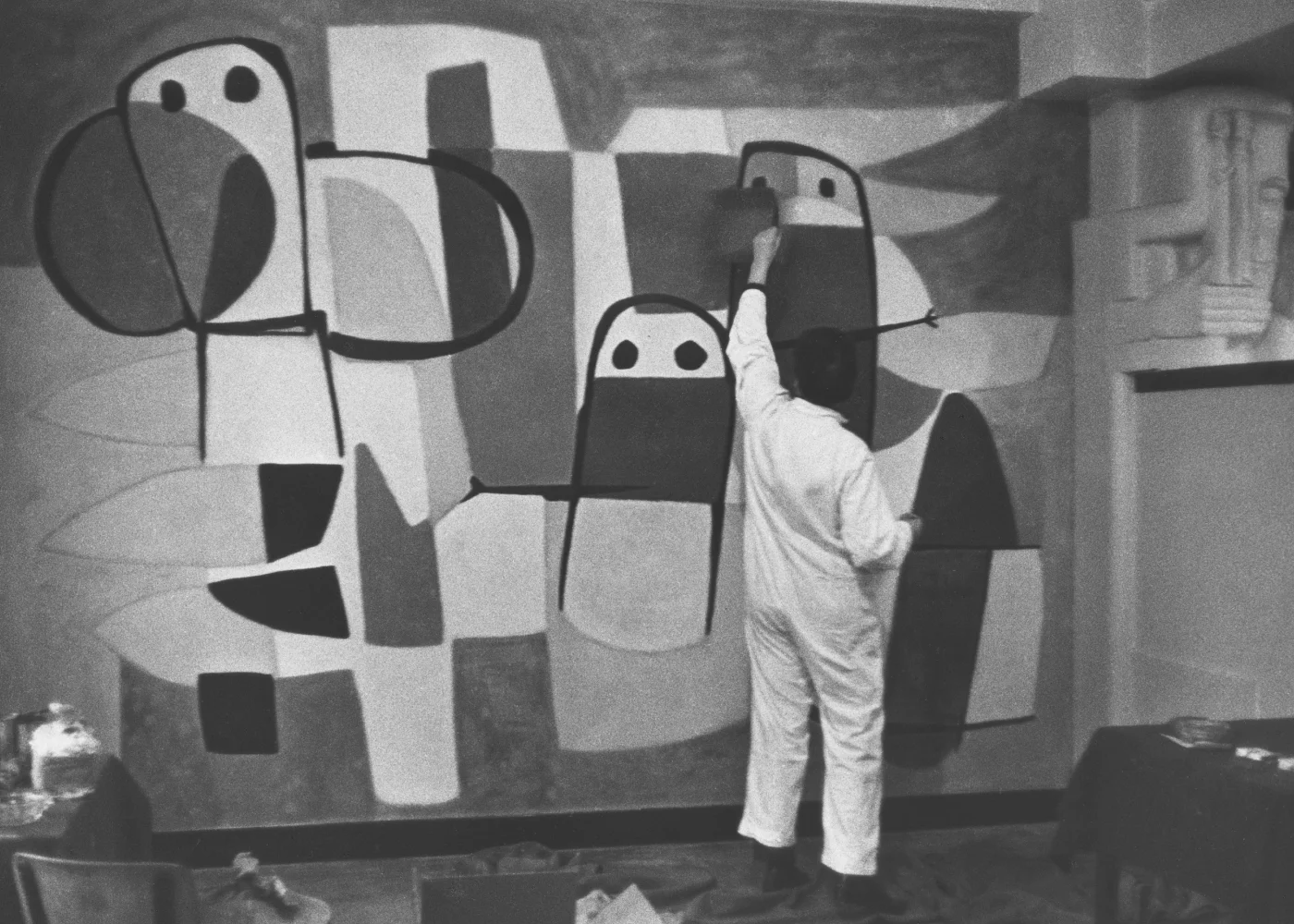
Beyond the familiar names of Abstract Expressionism, the field spans everything from monumental abstraction to quieter, more structured figuration, united less by style than by intent. The strongest works don’t just register as historically important; they hold a space, bringing weight, clarity, and emotional resonance into a room.
This is why the period remains so compelling to live with: these paintings don’t just mark an era—they help define the spaces they enter. Our focus is on finding the most compelling examples, works that endure both within art history and in daily life.
A refreshing alternative to the typical gallery experience.
We do things a little differently.
As collectors ourselves, we’ve often found the traditional art world impersonal and short on authenticity. Waterline was founded in response—a quieter, more straightforward approach grounded in honesty, accessibility, and real relationships.
Our platform lets clients engage on their own terms, whether that means browsing in private or having a deeper conversation about a work, the market, or an entire collection. Because so much collecting now happens online, we put a lot of thought into our digital presentation: clear research, polished photography, and a commitment to transparency.
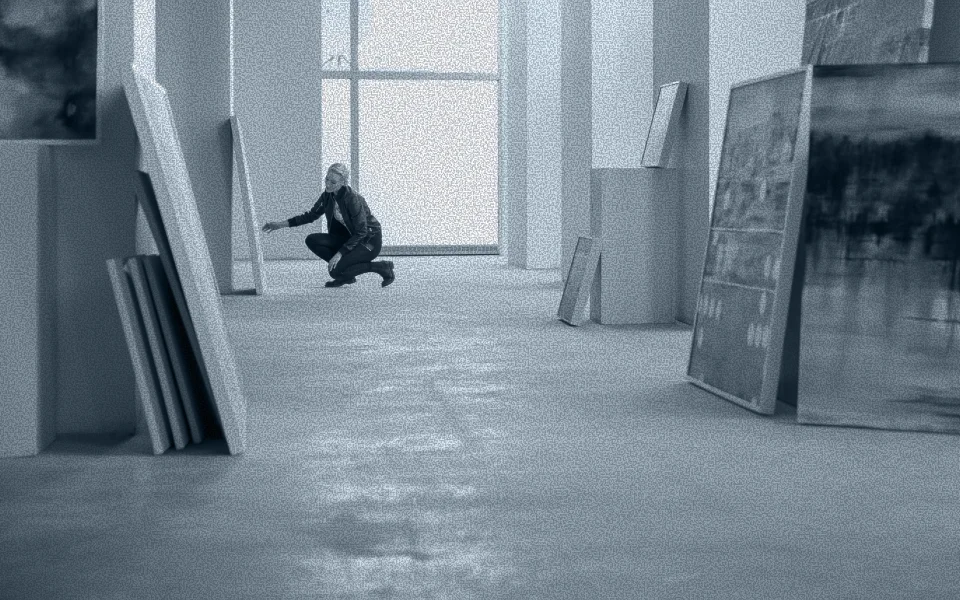
Quality without compromise.
We maintain a thoughtfully curated program centered on quality rather than volume or name recognition. While our offerings include works by many acclaimed masters, selection is guided primarily by the strength of the individual work. Not every painting reflects an artist at the peak of their creative output, and discernment matters more than just chasing recognizable names.
We prioritize works that embody the visual power, originality, and historical significance that made this period enduring—whether by a widely recognized master or a lesser-known contemporary whose contributions merit attention. Every work we offer is one-of-a-kind, selected with careful attention to condition, provenance, composition, and lasting presence.

A commitment to transparency.
Waterline is built on the belief that collecting art should be grounded in trust, clarity, and informed decisions. In an industry that is notoriously opaque, we work to present each work as openly and accurately as possible—through detailed cataloguing, candid condition reports, and clear pricing.
Most of our inventory is owned outright, reflecting our conviction in the works we place. As the program has matured, we’ve increasingly had the privilege of offering consigned works in partnership with other galleries and estates. These collaborations allow us to present material of greater breadth and significance, which we are proud to share with our clients. In these instances, pricing is shared upon request to respect existing relationships and contractual agreements while keeping discussions clear and straightforward.
We believe collectors should engage with works in a way that feels informed rather than pressured. Our role is to present them thoughtfully, answer questions directly, and allow the art to stand on its own merits.

A cornerstone of our program is client service - a principle often overlooked in today’s art market.
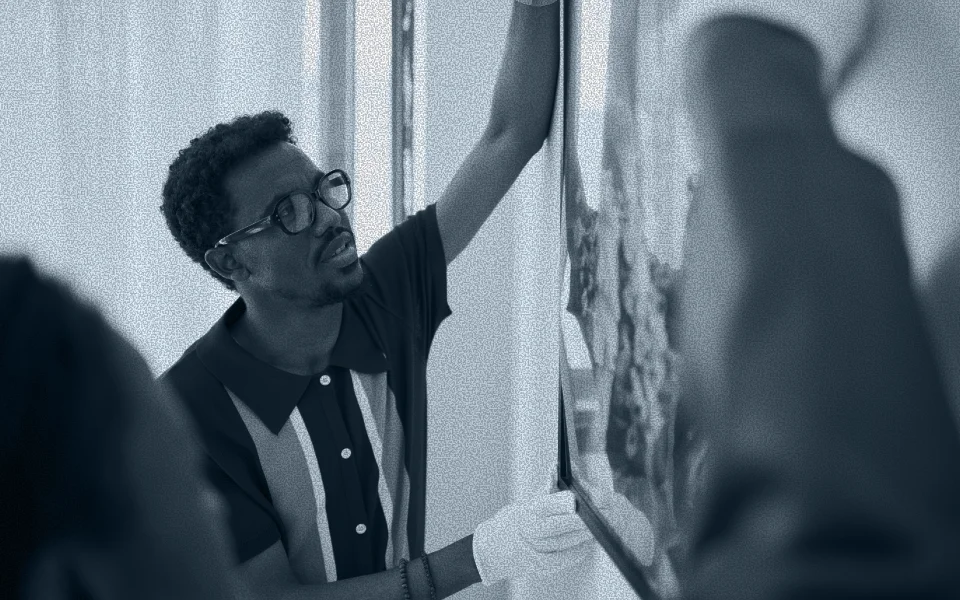
White-glove, start to finish.
Collecting art can feel intimidating, especially when acquiring significant works for the first time. Our role is to make the process as clear, considered, and straightforward as possible.
Each work is prepared to a rigorous standard before it leaves our hands, including careful surface attention when needed and presentation aligned with museum-quality expectations. Framing is executed with solid domestic hardwoods and premium archival materials, chosen to complement the work and support its long-term preservation.
We take the same care with logistics. Shipping and delivery are handled on your behalf as a standard part of our service, reflecting our focus on removing friction from the acquisition process. Works are professionally packed and entrusted to long-standing partners in fine art shipping, ensuring safe, fully insured transport from our care to their final destination.
From initial inquiry to final placement, we stay closely involved—offering guidance when helpful and stepping back when preferred—so the process feels tailored, confident, and unobtrusive rather than heavy-handed.
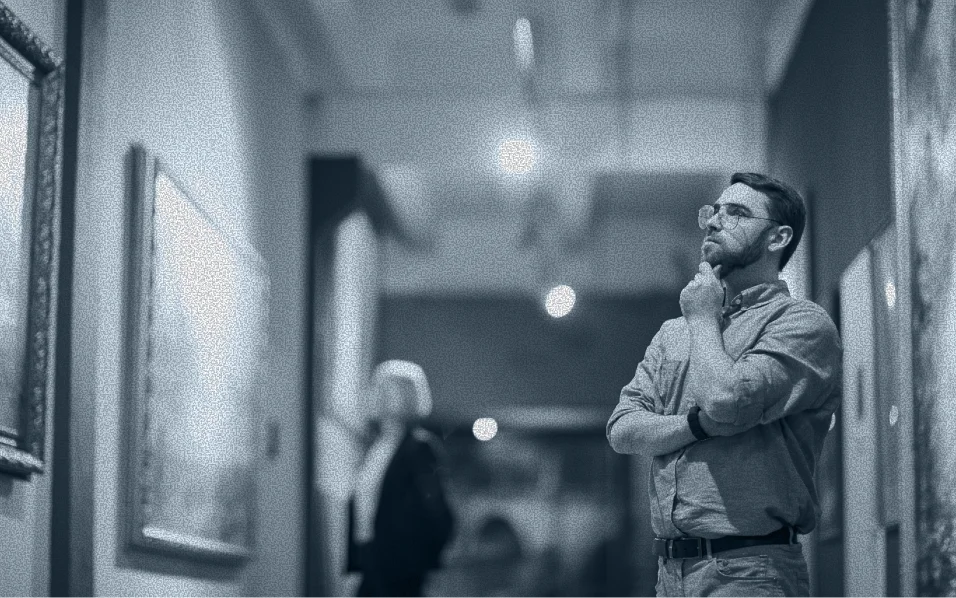
A treasured family heirloom.
Original art carries a presence that reaches far beyond decoration or investment. These are works with history, authorship, and lasting visual power—objects to live with, study, and ultimately pass down. Over time, they become part of a family’s story, gaining meaning with each generation.
They can certainly serve as long-term stores of value, but their importance isn’t just financial. Unlike mass-produced objects, a thoughtfully chosen work of art is made to endure—holding its character and presence long after trends have shifted.
For us, collecting at its best is an act of discernment: owning fewer pieces, chosen carefully, that continue to feel relevant, beautiful, and significant for years to come.