Beatrice Mandelman
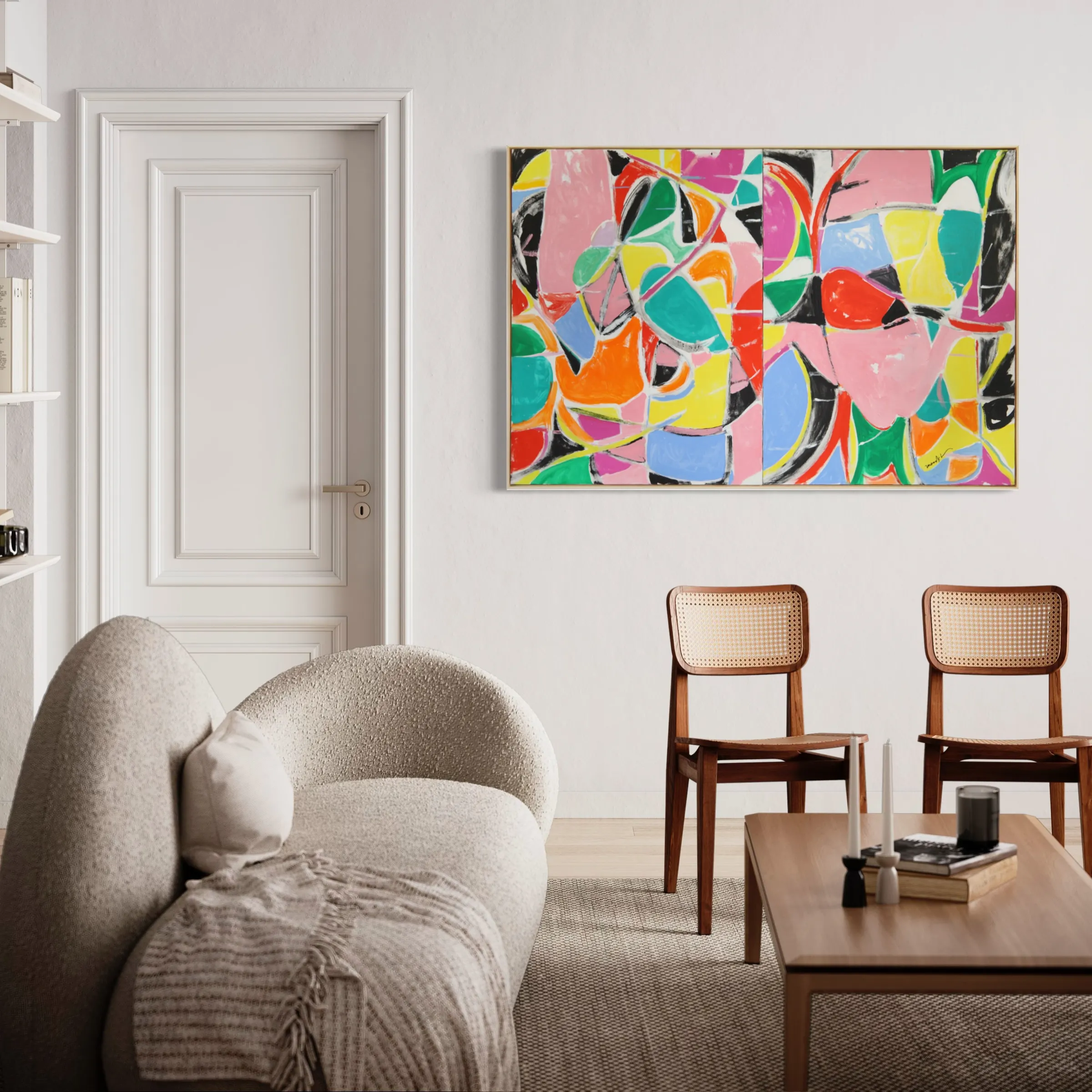
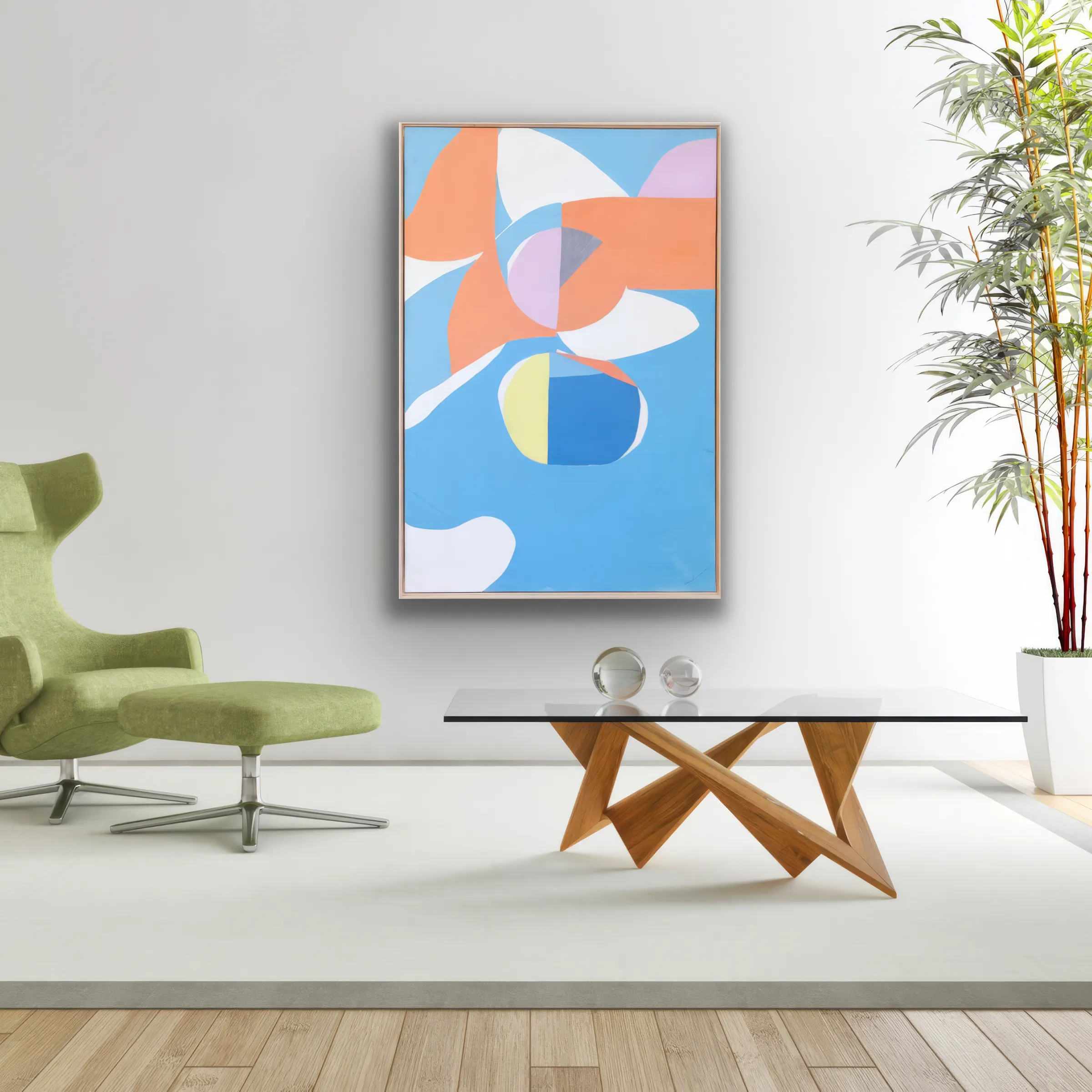
Beatrice Mandelman was born on December 31, 1912 in Newark, New Jersey. At age 12, she began taking classes at the Newark School of Fine and Industrial Art, subsequently attending Rutgers University, the Newark School of Fine and Industrial Art, and the Art Students League in New York.
In 1935, Mandelman was employed by the Works Progress Administration (WPA), first as a muralist and then as a printmaker with the Graphic Division of the New York Project. One of the original members of the Silk Screen Unit under Anthony Velonis, she worked until the disbandment of the WPA in 1942. During this period, she was associated with numerous New York School artists including Louis Lozowick, Willem de Kooning, Arshile Gorky, Jackson Pollock, and Stuart Davis.
Mandelman married fellow artist Louis Ribak in 1942, and two years later they traveled to Santa Fe, NM to visit his teacher and mentor, John Sloan. Finding Santa Fe congested, they moved on to Taos and decided to settle there. This move effectively removed them from mainstream art circles, but Taos soon became a hub for modern artists. Mandelman and Ribak became central figures among the “Taos Moderns,” alongside Emil Bisttram, Ed Corbett, Agnes Martin, Oli Sihvonen, and Clay Spohn.
In 1948, Mandelman moved to Paris for a year to study under Fernand Léger, befriending Francis Picabia. Upon returning to Taos, she and Ribak opened Gallery Ribak in their home, hosting exhibitions including a 1955 three-person show with Agnes Martin.
Mandelman exhibited widely during her lifetime, including at the Art Institute of Chicago, the Dallas Museum of Art, the National Gallery of Art, MoMA, and the Whitney Museum. Her work is held in major public collections including the Metropolitan Museum of Art, the Denver Art Museum, the National Gallery of Art, and the Smithsonian American Art Museum.
She died on June 25, 1998 in Taos. In her final months, she produced the 31-work Winter Series. Over seven decades, she created hundreds of paintings, prints, collages, and works on paper.
Source: Mandelman-Ribak Foundation and Rosenberg & Co.
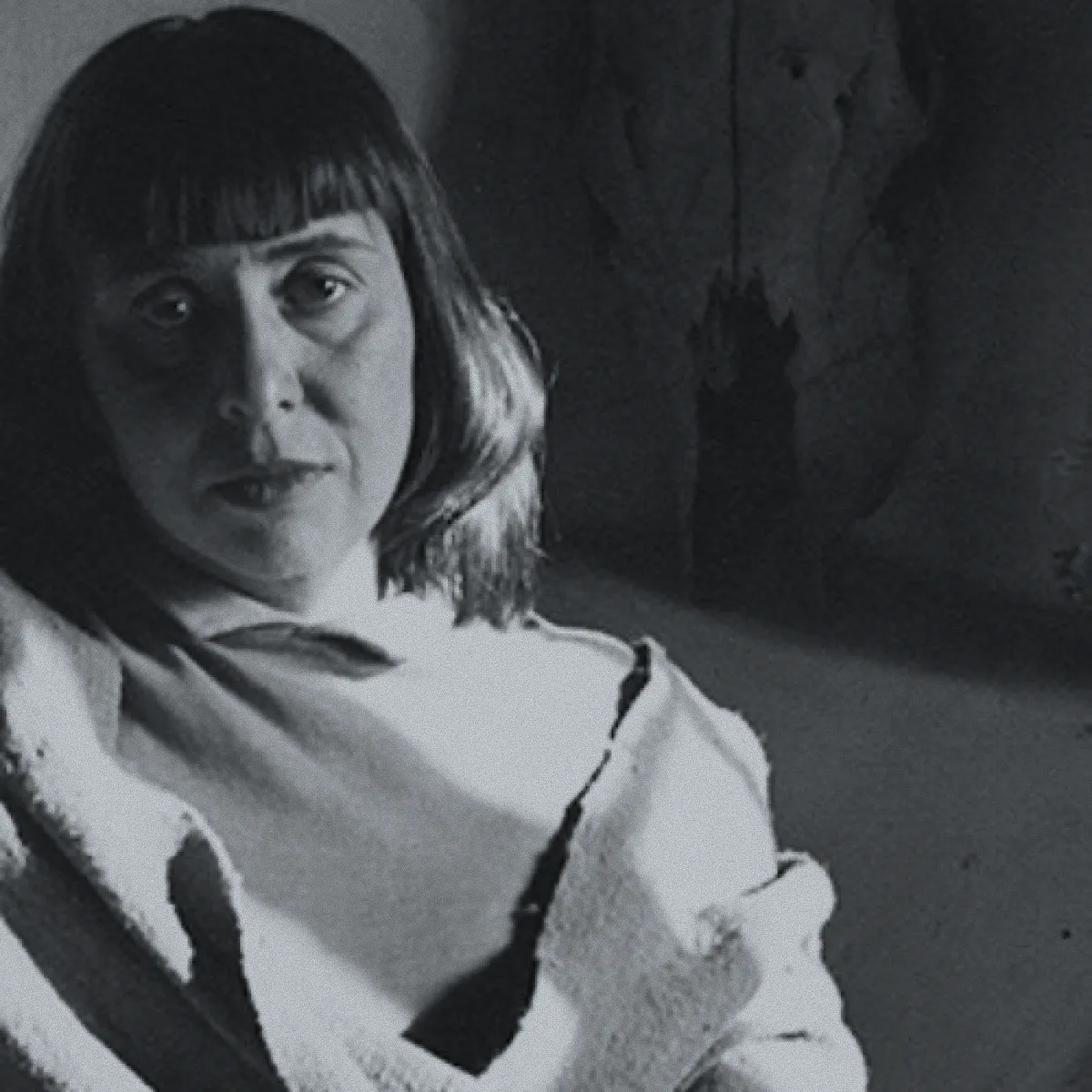
Beatrice Mandelman was born on December 31, 1912 in Newark, New Jersey. At age 12, she began taking classes at the Newark School of Fine and Industrial Art, subsequently attending Rutgers University, the Newark School of Fine and Industrial Art, and the Art Students League in New York.
In 1935, Mandelman was employed by the Works Progress Administration (WPA), first as a muralist and then as a printmaker with the Graphic Division of the New York Project. One of the original members of the Silk Screen Unit under Anthony Velonis, she worked until the disbandment of the WPA in 1942. During this period, she was associated with numerous New York School artists including Louis Lozowick, Willem de Kooning, Arshile Gorky, Jackson Pollock, and Stuart Davis.
Mandelman married fellow artist Louis Ribak in 1942, and two years later they traveled to Santa Fe, NM to visit his teacher and mentor, John Sloan. Finding Santa Fe congested, they moved on to Taos and decided to settle there. This move effectively removed them from mainstream art circles, but Taos soon became a hub for modern artists. Mandelman and Ribak became central figures among the “Taos Moderns,” alongside Emil Bisttram, Ed Corbett, Agnes Martin, Oli Sihvonen, and Clay Spohn.
In 1948, Mandelman moved to Paris for a year to study under Fernand Léger, befriending Francis Picabia. Upon returning to Taos, she and Ribak opened Gallery Ribak in their home, hosting exhibitions including a 1955 three-person show with Agnes Martin.
Mandelman exhibited widely during her lifetime, including at the Art Institute of Chicago, the Dallas Museum of Art, the National Gallery of Art, MoMA, and the Whitney Museum. Her work is held in major public collections including the Metropolitan Museum of Art, the Denver Art Museum, the National Gallery of Art, and the Smithsonian American Art Museum.
She died on June 25, 1998 in Taos. In her final months, she produced the 31-work Winter Series. Over seven decades, she created hundreds of paintings, prints, collages, and works on paper.
Source: Mandelman-Ribak Foundation and Rosenberg & Co.