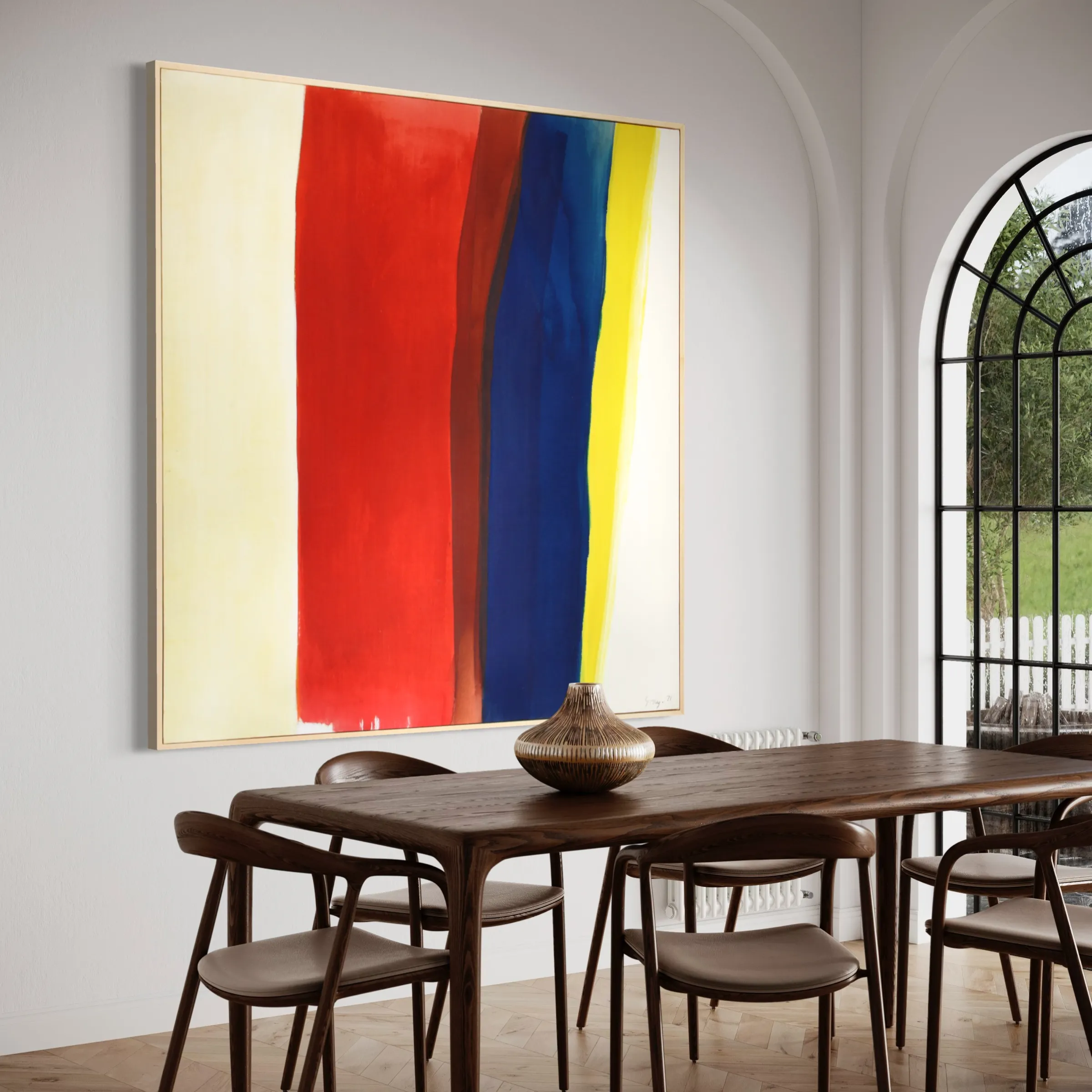
Cleve Gray
Cleve Gray was born Cleve Ginsberg in New York on September 22, 1918. The family changed its surname to Gray in 1936. He attended the Ethical Culture School in New York and completed preparatory studies at Phillips Academy, where he won the Morse Prize for most promising art student. In 1940, he graduated summa cum laude from Princeton University with degrees in art and archaeology, writing his thesis on Chinese landscape painting — an influence that would later shape his own work.
Gray joined the U.S. Army in 1942 and was deployed to the U.K., France, and Germany, where he sketched wartime destruction. After the liberation of Paris in 1944, he began informal studies with André Lhote and Jacques Villon, continuing after the war. He soon exhibited at Galerie Durand-Ruel in Paris and held his first solo exhibition at Jacques Seligmann Gallery in New York in 1947. Before 1950, he participated in group exhibitions at the Metropolitan Museum of Art, the Corcoran Gallery, the Whitney Museum, and the Art Institute of Chicago.
After marrying French author Francine du Plessix in 1957, Gray settled in Warren, CT, while continuing to exhibit internationally. He showed with influential galleries including Betty Parsons Gallery, Staempfli Gallery, Salander-O’Reilly Galleries, Eva Cohon Gallery, and Berry-Hill Gallery.
Cleve Gray died in Hartford, CT in 2004 at age 86. His work is included in the collections of the Metropolitan Museum of Art, MoMA, the Whitney Museum, the Brooklyn Museum, the Guggenheim Museum, and many others.
Source: The New York Times and Loretta Howard Gallery
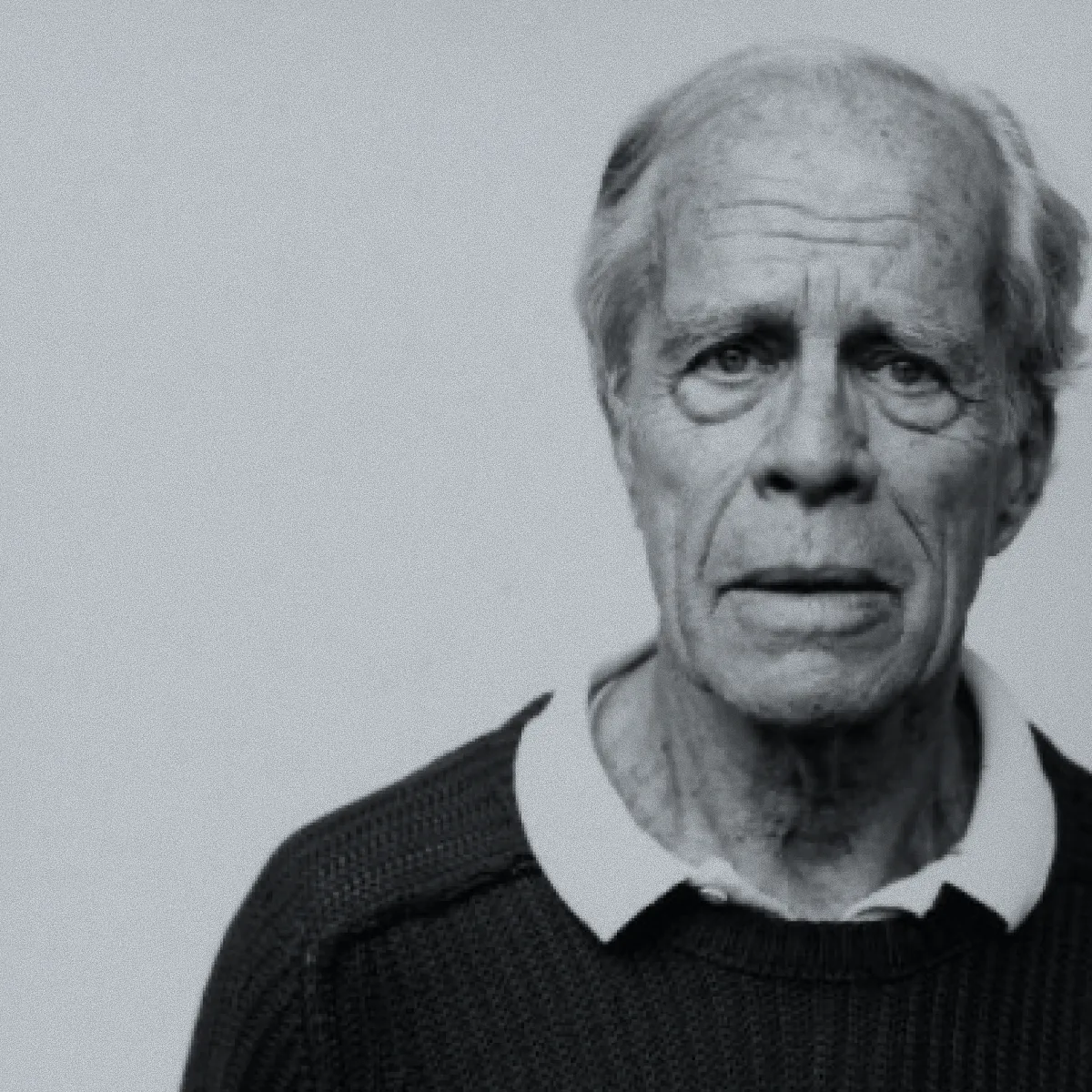
Cleve Gray was born Cleve Ginsberg in New York on September 22, 1918. The family changed its surname to Gray in 1936. He attended the Ethical Culture School in New York and completed preparatory studies at Phillips Academy, where he won the Morse Prize for most promising art student. In 1940, he graduated summa cum laude from Princeton University with degrees in art and archaeology, writing his thesis on Chinese landscape painting — an influence that would later shape his own work.
Gray joined the U.S. Army in 1942 and was deployed to the U.K., France, and Germany, where he sketched wartime destruction. After the liberation of Paris in 1944, he began informal studies with André Lhote and Jacques Villon, continuing after the war. He soon exhibited at Galerie Durand-Ruel in Paris and held his first solo exhibition at Jacques Seligmann Gallery in New York in 1947. Before 1950, he participated in group exhibitions at the Metropolitan Museum of Art, the Corcoran Gallery, the Whitney Museum, and the Art Institute of Chicago.
After marrying French author Francine du Plessix in 1957, Gray settled in Warren, CT, while continuing to exhibit internationally. He showed with influential galleries including Betty Parsons Gallery, Staempfli Gallery, Salander-O’Reilly Galleries, Eva Cohon Gallery, and Berry-Hill Gallery.
Cleve Gray died in Hartford, CT in 2004 at age 86. His work is included in the collections of the Metropolitan Museum of Art, MoMA, the Whitney Museum, the Brooklyn Museum, the Guggenheim Museum, and many others.
Source: The New York Times and Loretta Howard Gallery