John Levee
John Harrison Levee was born in Los Angeles on April 10, 1924. His father, Michael Charles Levee, was a Hollywood film executive and a founding member of the Academy of Motion Picture Arts and Sciences, which he served as president from 1931 to 1932. His mother, Roze Levee, was a former silent film actress. During the Second World War, Levee trained as a pilot on the Boeing B-29 Superfortress. He served from 1944 to 1946 and took part in the liberation of France in 1944.
After the war, Levee returned to Los Angeles and enrolled at UCLA, taking evening painting classes at the Chouinard Art Institute at the same time. He earned a master’s degree in philosophy from UCLA in 1948. He then studied at the New School for Social Research in New York in 1948–1949 on the G.I. Bill. In 1949, he moved to Paris and enrolled at the Académie Julian, where he studied until 1951 and met the painter Sam Francis. He kept his studio in Montparnasse for the rest of his life.
Levee’s first solo exhibition was held at Galerie Huit in Paris in 1951, and in 1952 he won a prize at the Salon de la Jeune Peinture. In 1955, he was included in Five Americans in Europe at the Stedelijk Museum in Amsterdam and in the Pittsburgh International at the Carnegie Institute. He went on to show regularly with Gimpel Fils in London, beginning in 1955. He also exhibited with the André Emmerich Gallery in New York, beginning in 1956, and with the Galerie de France in Paris, beginning in 1958. Through the late 1950s and 1960s, he exhibited frequently in New York museums. At the Museum of Modern Art, his shows included Young American Painters (1958). At the Whitney Museum of American Art, he was included in Young America 1957: Thirty American Painters Under Thirty-Five and in the Whitney Annuals of 1957, 1959, and 1965. He also appeared in the Corcoran Gallery of Art Biennials in Washington, D.C., and in the Carnegie Internationals of 1958 and 1961. At the first Paris Biennale in 1959, held at the Musée d’Art Moderne de la Ville de Paris, he received the Prix de la Sélection des Jeunes Critiques.
In the 1960s, Levee moved from the gestural abstraction of his early work toward hard-edge geometric abstraction. He received a solo exhibition at the Corcoran Gallery of Art in 1962. Museum exhibitions of his gouaches followed at the Haifa Museum of Art and the Museum of Modern Art in Jerusalem in 1963, and he had a solo show at the Phoenix Art Museum in 1964. That year, he also won the Grand Prix International d’Art Contemporain in Monte Carlo. In 1965, he had solo exhibitions at the Walker Art Center in Minneapolis and the Krannert Art Museum at the University of Illinois. In 1966, he received a Purchase Award from the Commonwealth of Virginia at the Virginia Museum of Fine Arts Biennial. He taught at the University of Illinois in 1965, Washington University in St. Louis in 1967, New York University in 1967–1968, and the University of Southern California in 1970–1971.
Later solo exhibitions included the Tel Aviv Museum in 1969, the Palm Springs Desert Museum in 1977, and Retrospective 1953–1993 at the Musée de Toulouse in 1993. By the mid-1980s, he had returned to a looser, more spontaneous abstraction. In 2008–2009, the Galerie Gimpel & Müller in Paris presented John Levee: envolée d’un aviateur américain.
John Levee died in Paris on January 18, 2017, at the age of 92. His work can be found in more than seventy public collections worldwide. These include the Museum of Modern Art (MoMA), Solomon R. Guggenheim Museum, Whitney Museum of American Art, Hirshhorn Museum and Sculpture Garden, National Gallery of Art, Los Angeles County Museum of Art, Harvard Art Museums, Walker Art Center, Dallas Museum of Art, and Blanton Museum of Art, as well as the Centre Pompidou, Stedelijk Museum, Kunstmuseum Basel, Victoria and Albert Museum, and Tel Aviv Museum of Art.
Source: johnlevee.org
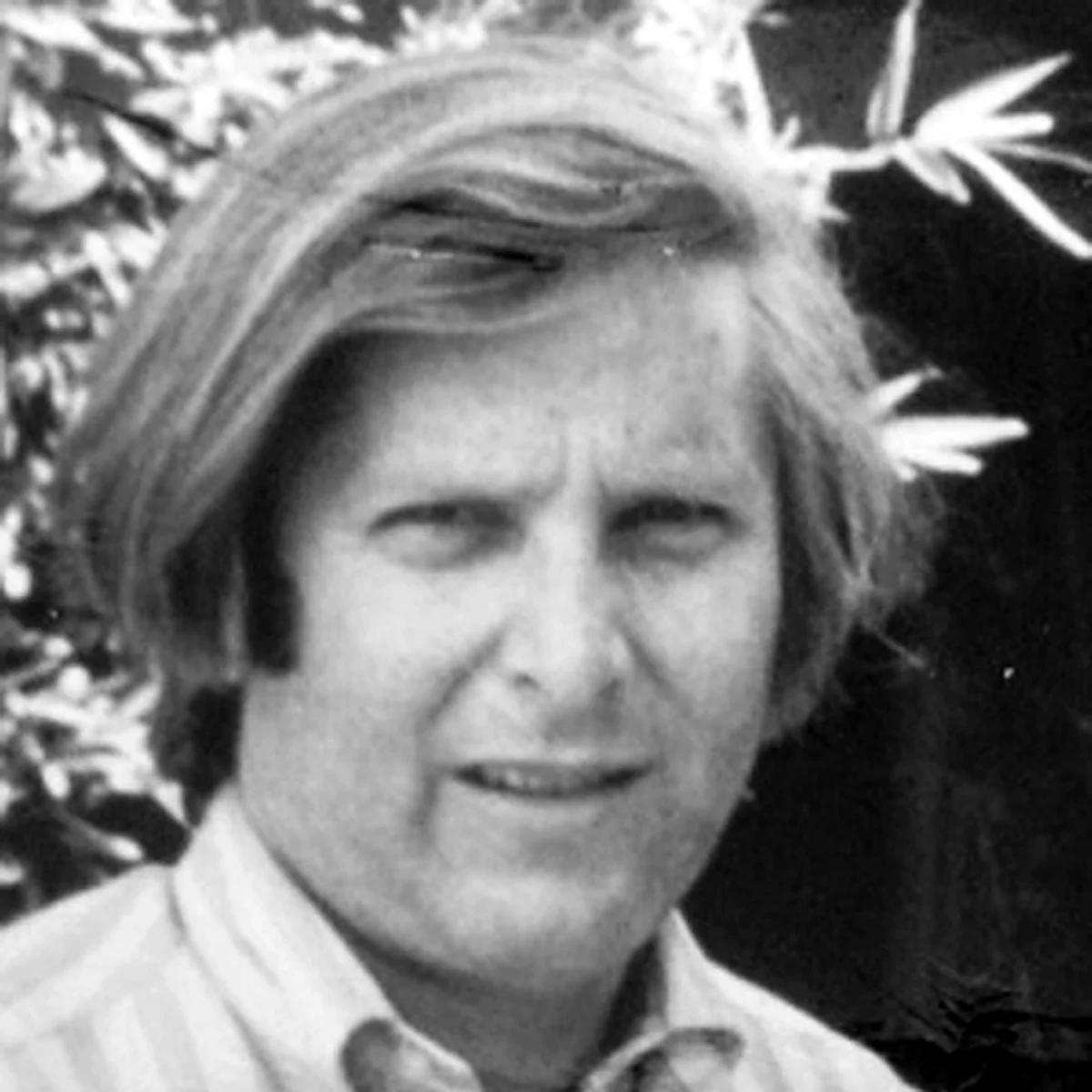
John Harrison Levee was born in Los Angeles on April 10, 1924. His father, Michael Charles Levee, was a Hollywood film executive and a founding member of the Academy of Motion Picture Arts and Sciences, which he served as president from 1931 to 1932. His mother, Roze Levee, was a former silent film actress. During the Second World War, Levee trained as a pilot on the Boeing B-29 Superfortress. He served from 1944 to 1946 and took part in the liberation of France in 1944.
After the war, Levee returned to Los Angeles and enrolled at UCLA, taking evening painting classes at the Chouinard Art Institute at the same time. He earned a master’s degree in philosophy from UCLA in 1948. He then studied at the New School for Social Research in New York in 1948–1949 on the G.I. Bill. In 1949, he moved to Paris and enrolled at the Académie Julian, where he studied until 1951 and met the painter Sam Francis. He kept his studio in Montparnasse for the rest of his life.
Levee’s first solo exhibition was held at Galerie Huit in Paris in 1951, and in 1952 he won a prize at the Salon de la Jeune Peinture. In 1955, he was included in Five Americans in Europe at the Stedelijk Museum in Amsterdam and in the Pittsburgh International at the Carnegie Institute. He went on to show regularly with Gimpel Fils in London, beginning in 1955. He also exhibited with the André Emmerich Gallery in New York, beginning in 1956, and with the Galerie de France in Paris, beginning in 1958. Through the late 1950s and 1960s, he exhibited frequently in New York museums. At the Museum of Modern Art, his shows included Young American Painters (1958). At the Whitney Museum of American Art, he was included in Young America 1957: Thirty American Painters Under Thirty-Five and in the Whitney Annuals of 1957, 1959, and 1965. He also appeared in the Corcoran Gallery of Art Biennials in Washington, D.C., and in the Carnegie Internationals of 1958 and 1961. At the first Paris Biennale in 1959, held at the Musée d’Art Moderne de la Ville de Paris, he received the Prix de la Sélection des Jeunes Critiques.
In the 1960s, Levee moved from the gestural abstraction of his early work toward hard-edge geometric abstraction. He received a solo exhibition at the Corcoran Gallery of Art in 1962. Museum exhibitions of his gouaches followed at the Haifa Museum of Art and the Museum of Modern Art in Jerusalem in 1963, and he had a solo show at the Phoenix Art Museum in 1964. That year, he also won the Grand Prix International d’Art Contemporain in Monte Carlo. In 1965, he had solo exhibitions at the Walker Art Center in Minneapolis and the Krannert Art Museum at the University of Illinois. In 1966, he received a Purchase Award from the Commonwealth of Virginia at the Virginia Museum of Fine Arts Biennial. He taught at the University of Illinois in 1965, Washington University in St. Louis in 1967, New York University in 1967–1968, and the University of Southern California in 1970–1971.
Later solo exhibitions included the Tel Aviv Museum in 1969, the Palm Springs Desert Museum in 1977, and Retrospective 1953–1993 at the Musée de Toulouse in 1993. By the mid-1980s, he had returned to a looser, more spontaneous abstraction. In 2008–2009, the Galerie Gimpel & Müller in Paris presented John Levee: envolée d’un aviateur américain.
John Levee died in Paris on January 18, 2017, at the age of 92. His work can be found in more than seventy public collections worldwide. These include the Museum of Modern Art (MoMA), Solomon R. Guggenheim Museum, Whitney Museum of American Art, Hirshhorn Museum and Sculpture Garden, National Gallery of Art, Los Angeles County Museum of Art, Harvard Art Museums, Walker Art Center, Dallas Museum of Art, and Blanton Museum of Art, as well as the Centre Pompidou, Stedelijk Museum, Kunstmuseum Basel, Victoria and Albert Museum, and Tel Aviv Museum of Art.
Source: johnlevee.org