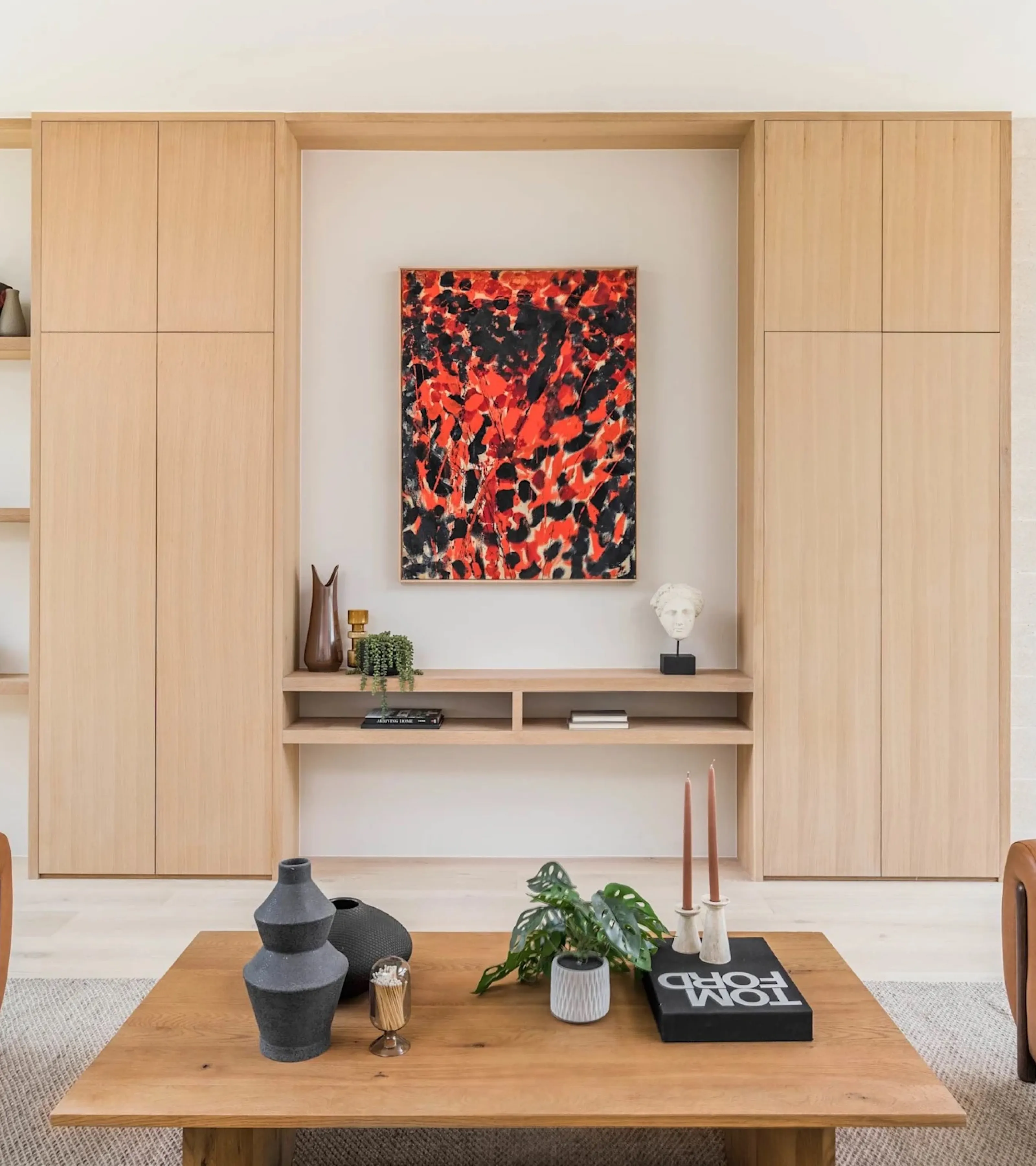
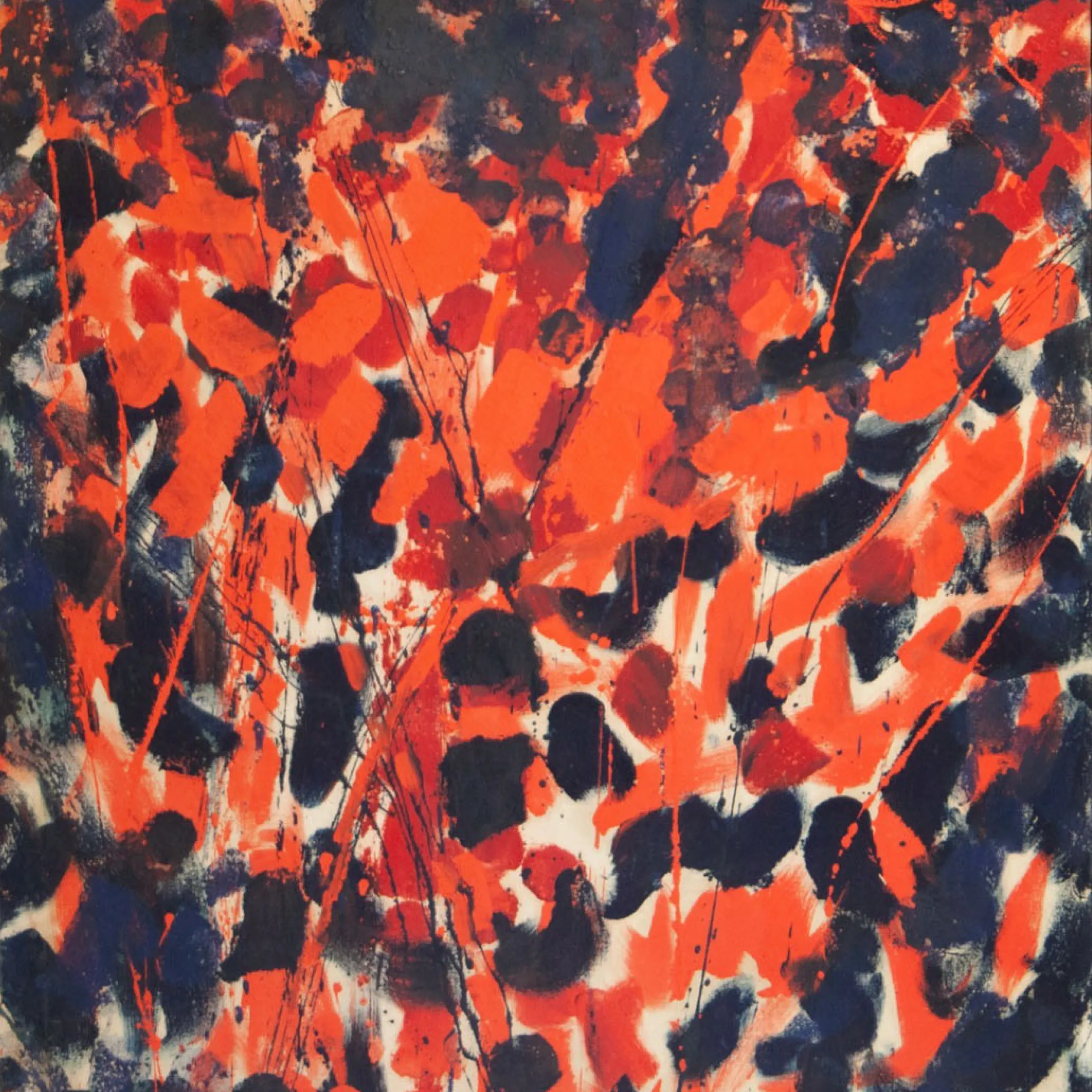
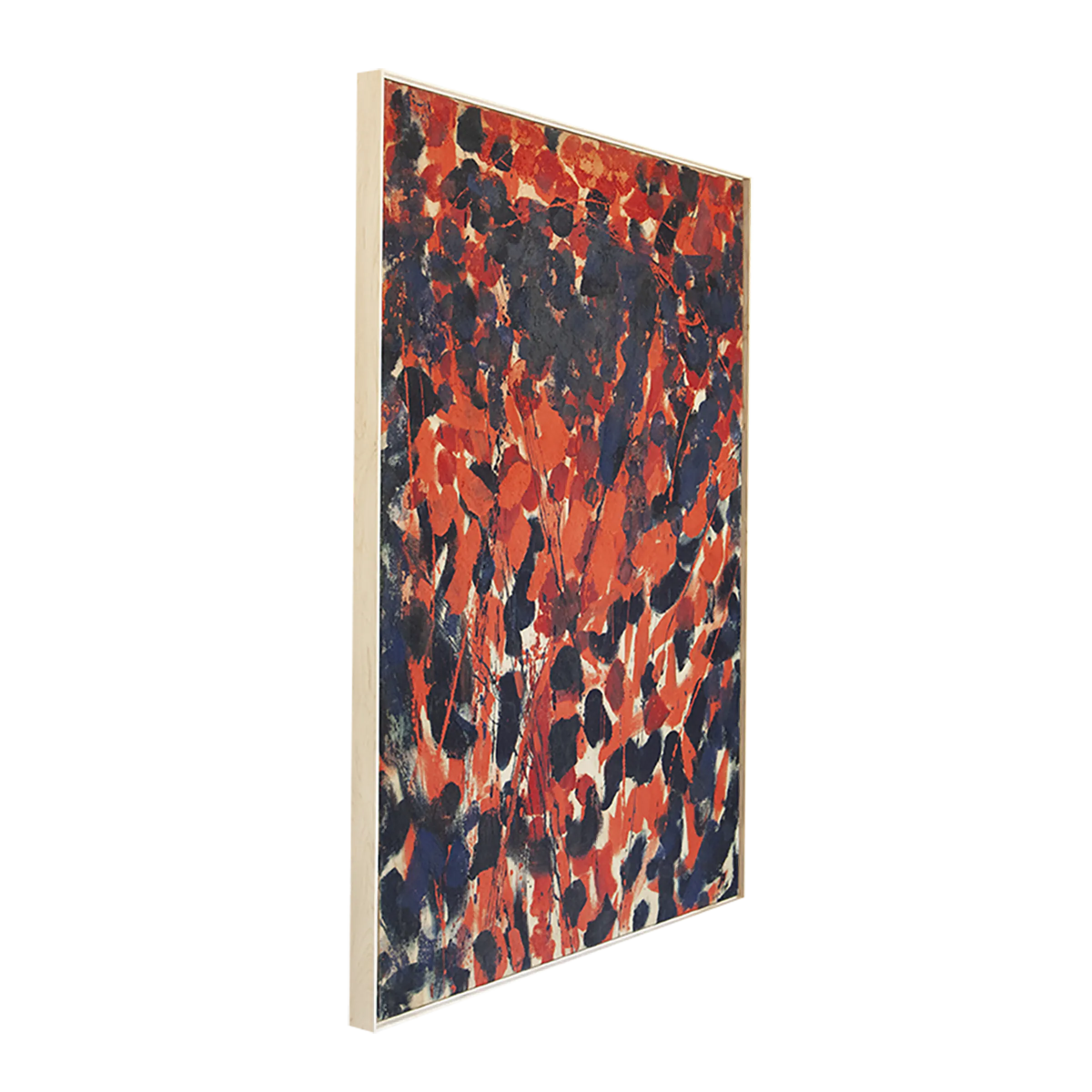
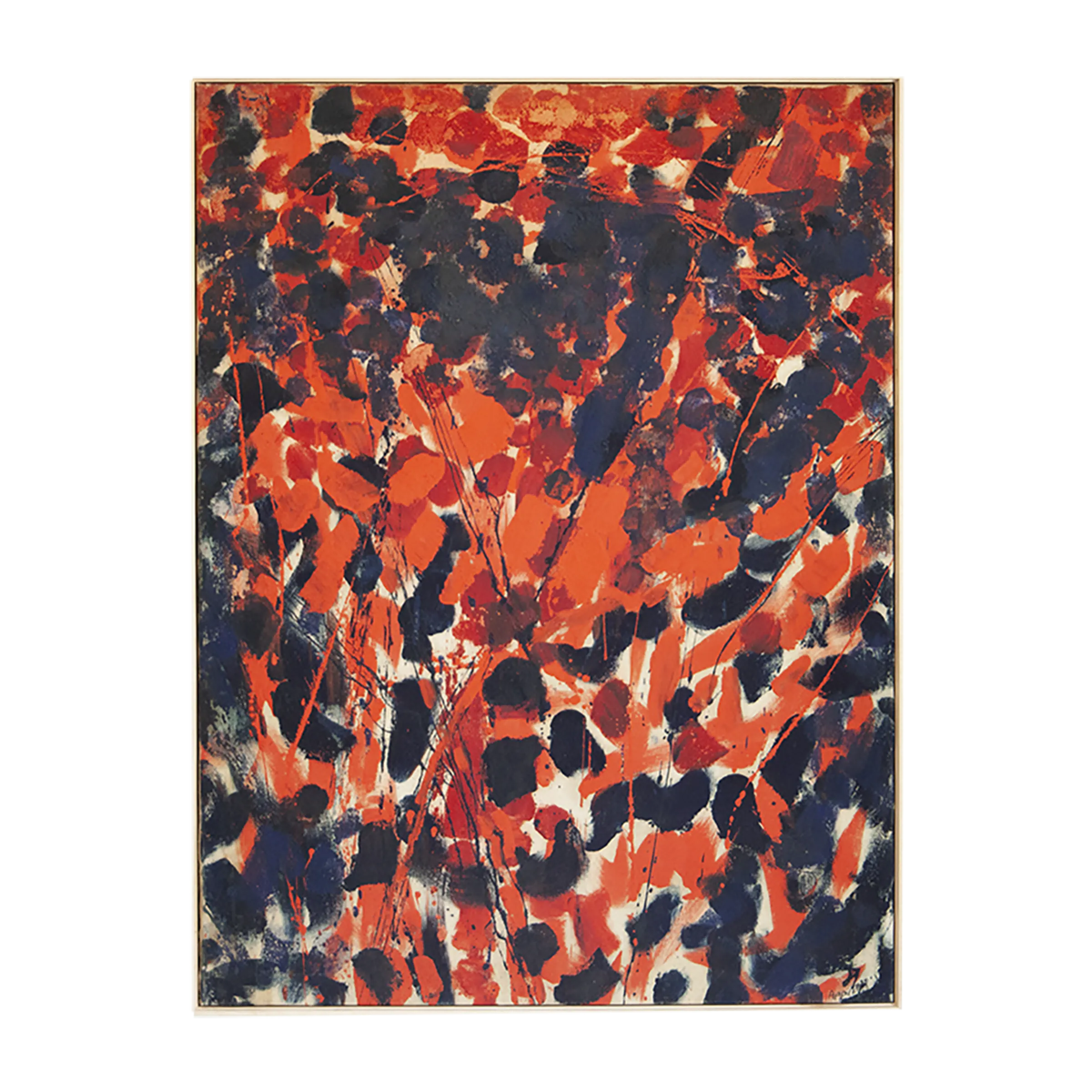
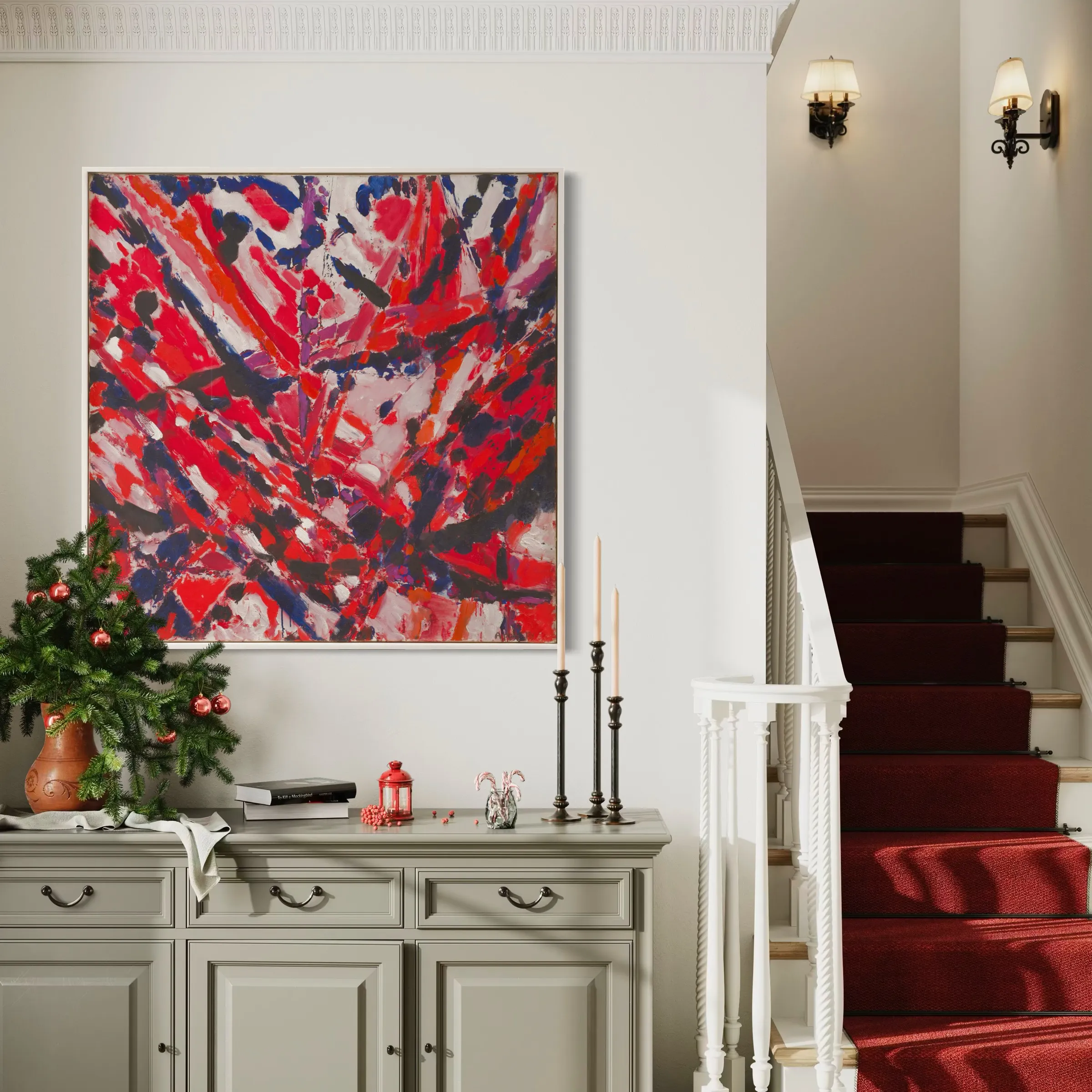
Untitled
Theodore Appleby
Signed lower right.
Custom framed in a solid maple floater.
Private Collection, Minnesota
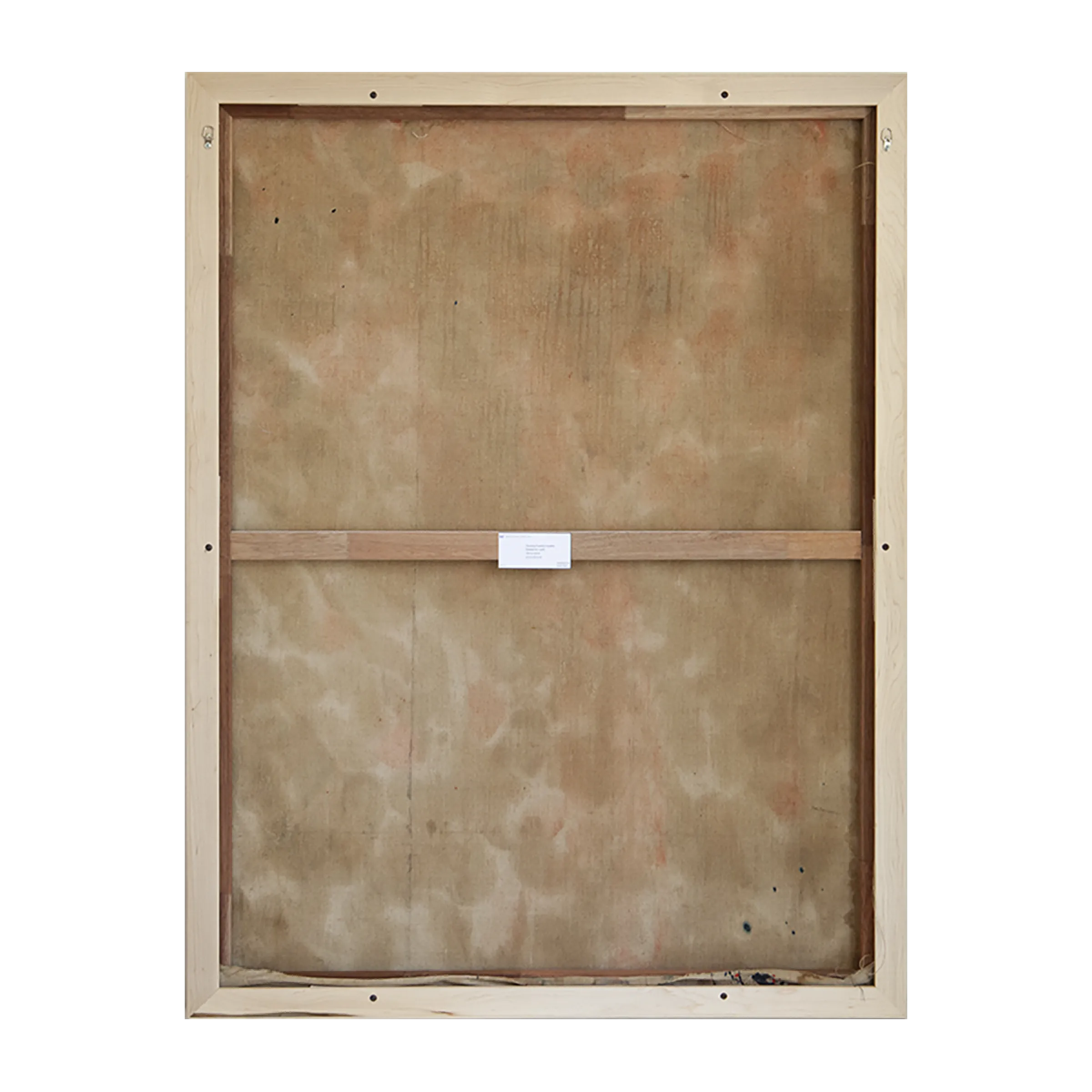
Overall good and stable condition. Professionally cleaned, with a horizontal stretcher bar added for further stability. Very thin canvas, which is slightly slack. Signs of possible prior water damage verso. A few small frays of canvas verso. Sporadic, small areas of flaking and loss, which are difficult to see due to composition style. Unprimed canvas appears to be in good condition, with discoloration commensurate with age. Colors are dynamic and painting presents extremely well. Not examined under UV light.


Theodore Appleby
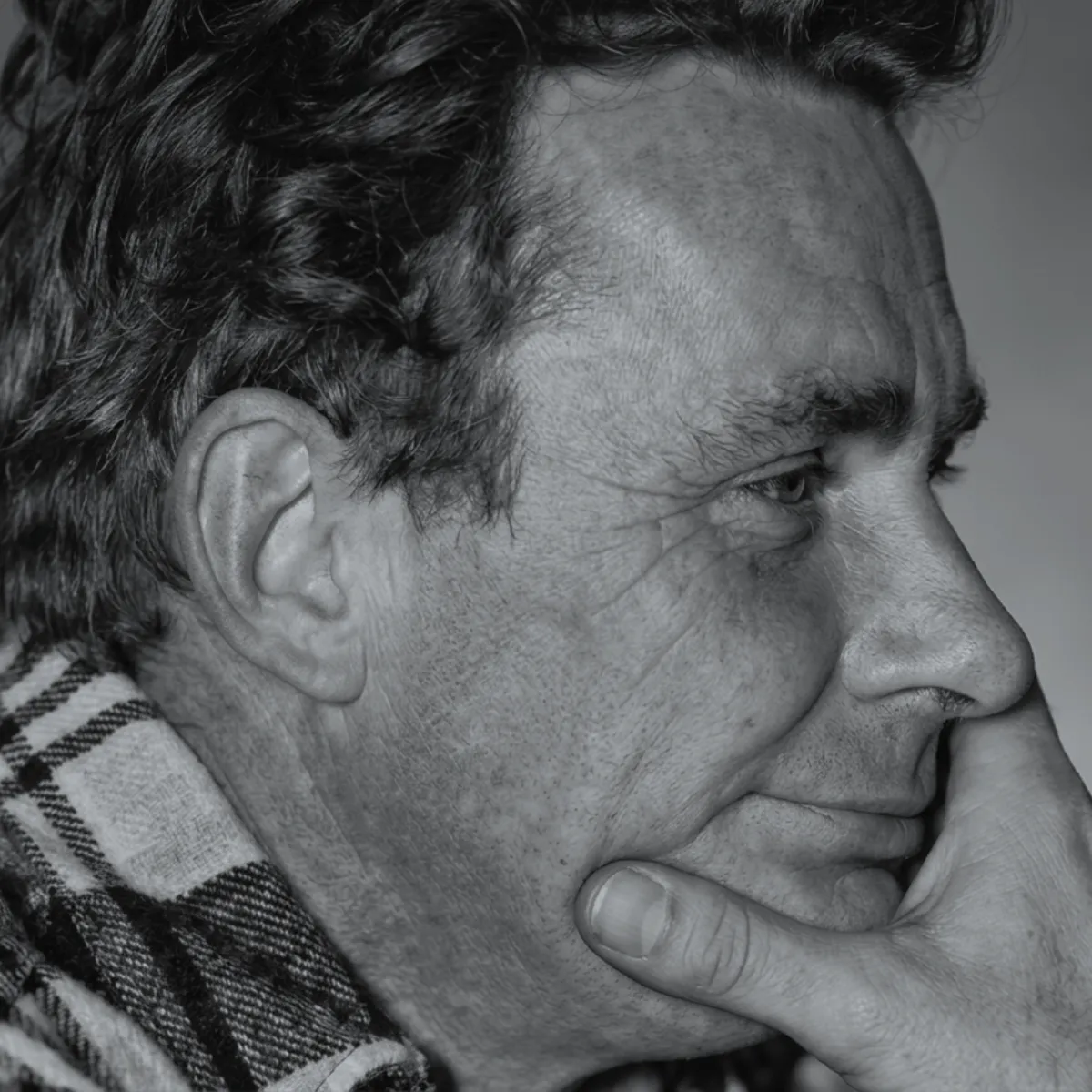
Theodore Franklin (“Ted”) Appleby, Jr. was born January 28, 1923 in Asbury Park, New Jersey to a very prominent family in Monmouth County. He attended the Pauling School in New York and studied at the atelier of John Corneal.
On December 12, 1942, Appleby enlisted in the U.S. Marine Corps, subsequently seeing action in the Marshall Islands. Upon the conclusion of the war, he was stationed for a year in Yokohama, Japan, where he studied local engraving techniques.
In 1947, after returning home, Appleby moved to Mexico for a year to study mural painting in San Miguel de Allende. Following his sojourn in Mexico, Appleby briefly returned home to the U.S. before ultimately relocating to Paris. There, he joined a lively community of expatriate American artists involved with what would come to be known as the “School of Paris.” Appleby befriended fellow Americans Sam Francis and Jackson Pollock, exhibiting extensively throughout France with the former. He also regularly visited the atelier of Fernand Léger, and was represented in the "Salon de Réalités Nouvelles" and the “Salon d’Automne” during the 1950s and 60s.
From 1955 to 1961, Appleby participated in group exhibitions in Chicago, Leverkusen (Germany), Lisbon, London, and Paris. He also had three notable solo exhibitions during this period: Studio Facchetti, Paris (1956); Martha Jackson Gallery, New York (1957); and the American Cultural Center, Paris (1959). In 1957, Appleby’s work was presented at the 62nd American Exposition of Painters and Sculptors at the Chicago Art Institute, where he was awarded the Norman Wait Harris Bronze Medal and Prize.
Answering the famed artist André Lhote’s call to help save the village of Alba-la-Romaine in the Ardèche, Appleby and his wife - the artist Hope Manchester - purchased a home in the village in 1950, ultimately settling there until their deaths.
Source: Taylor | Graham Gallery
Theodore Franklin (“Ted”) Appleby, Jr. was born January 28, 1923 in Asbury Park, New Jersey to a very prominent family in Monmouth County. He attended the Pauling School in New York and studied at the atelier of John Corneal.
On December 12, 1942, Appleby enlisted in the U.S. Marine Corps, subsequently seeing action in the Marshall Islands. Upon the conclusion of the war, he was stationed for a year in Yokohama, Japan, where he studied local engraving techniques.
In 1947, after returning home, Appleby moved to Mexico for a year to study mural painting in San Miguel de Allende. Following his sojourn in Mexico, Appleby briefly returned home to the U.S. before ultimately relocating to Paris. There, he joined a lively community of expatriate American artists involved with what would come to be known as the “School of Paris.” Appleby befriended fellow Americans Sam Francis and Jackson Pollock, exhibiting extensively throughout France with the former. He also regularly visited the atelier of Fernand Léger, and was represented in the "Salon de Réalités Nouvelles" and the “Salon d’Automne” during the 1950s and 60s.
From 1955 to 1961, Appleby participated in group exhibitions in Chicago, Leverkusen (Germany), Lisbon, London, and Paris. He also had three notable solo exhibitions during this period: Studio Facchetti, Paris (1956); Martha Jackson Gallery, New York (1957); and the American Cultural Center, Paris (1959). In 1957, Appleby’s work was presented at the 62nd American Exposition of Painters and Sculptors at the Chicago Art Institute, where he was awarded the Norman Wait Harris Bronze Medal and Prize.
Answering the famed artist André Lhote’s call to help save the village of Alba-la-Romaine in the Ardèche, Appleby and his wife - the artist Hope Manchester - purchased a home in the village in 1950, ultimately settling there until their deaths.
Source: Taylor | Graham Gallery
Heading


